
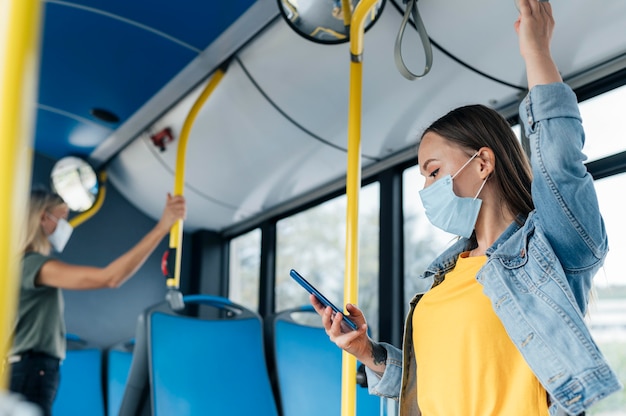
In an increasingly urbanized world, public transportation systems play a pivotal role in shaping the daily lives of millions. Among these systems, buses are vital for commuting, offering a sustainable alternative to personal vehicles. However, the significance of maintaining a clean bus environment has reached unprecedented heights. As we grapple with the aftermath of global health crises and an increasing focus on sustainability, the importance of clean buses cannot be overstated. A clean bus environment is essential not only for public health but also for enhancing the overall commuting experience.
Health and Safety: A Primary Concern
In the wake of the COVID-19 pandemic, public health has taken center stage. The necessity of bus hygiene improvements has never been more critical. Buses can serve as hotspots for germs and viruses, making cleanliness imperative. Regular disinfection of high-touch surfaces, such as handrails, seat backs, and door handles, has become a routine practice in many transit systems.
Passengers are increasingly conscious of their surroundings. They seek reassurance that the public transport they use prioritizes their health and safety. A clean bus environment helps instill confidence in riders, encouraging them to utilize public transportation rather than opting for personal vehicles. This shift is crucial for reducing congestion and minimizing the carbon footprint associated with private car use.
Enhancing Passenger Experience
Beyond health concerns, a clean bus environment significantly enhances the passenger experience. Imagine stepping onto a bus that has been meticulously maintained, free from litter and unpleasant odors. Such an environment can transform a mundane commute into a pleasant experience.
Passengers are more likely to feel relaxed and secure in a well-maintained bus. This positive ambiance can lead to increased ridership and customer satisfaction, which are essential for the long-term viability of public transportation systems. When transit authorities prioritize cleanliness, they signal to the community that they value their riders and are committed to providing a safe and pleasant travel experience.
Environmental Responsibility
Maintaining a clean bus environment goes hand in hand with a commitment to sustainability. The transportation sector is a significant contributor to pollution, with emissions from diesel buses affecting air quality and public health. Transitioning to cleaner fuel options, such as electric or hybrid buses, is an essential step towards environmental stewardship.
However, the environmental responsibility does not end with vehicle upgrades. Keeping buses clean and well-maintained extends their lifespan, reduces emissions, and enhances efficiency. When buses are clean, they operate more efficiently, consuming less fuel and producing fewer emissions. Moreover, implementing bus hygiene improvements, such as using eco-friendly cleaning products, further reduces the environmental impact of public transit systems.
Creating a Culture of Cleanliness
Cultivating a clean bus environment requires more than just regular cleaning schedules; it necessitates fostering a culture of cleanliness among passengers and staff. Transit authorities can implement educational campaigns to raise awareness about the importance of keeping buses clean. Simple initiatives, such as providing conveniently placed trash bins and encouraging passengers to dispose of their waste properly, can go a long way in promoting cleanliness.
Moreover, training staff on the significance of maintaining a clean environment can lead to more proactive measures. Employees who take pride in their work are likely to encourage cleanliness among passengers, creating a ripple effect that fosters a collective commitment to keeping buses clean and safe.
Technological Innovations for Enhanced Cleanliness
In the age of technology, innovative solutions can significantly improve bus hygiene. Advanced cleaning technologies, such as ultraviolet (UV) light sanitization, have been adopted by some transit systems to effectively disinfect buses. These technologies offer efficient and thorough cleaning, targeting hard-to-reach areas that traditional methods might miss.
Additionally, contactless payment systems and digital ticketing have surged in popularity, reducing the need for physical touchpoints. By minimizing interactions between passengers and staff, these innovations contribute to a safer travel environment. A clean bus environment, combined with modern technology, enhances the overall safety and comfort of public transportation.
Conclusion
The importance of clean buses transcends mere aesthetics; it is a vital aspect of public health, environmental sustainability, and passenger satisfaction. In a world where health concerns loom large, maintaining a clean bus environment is paramount. This commitment not only protects passengers but also encourages them to embrace public transportation as a safe and convenient option.
Transit authorities must prioritize bus hygiene improvements, invest in innovative cleaning technologies, and foster a culture of cleanliness. By doing so, they can enhance the commuting experience, promote environmental responsibility, and instill confidence in their riders.
As urbanization continues to accelerate, the demand for public transportation will only increase. Keeping buses clean and safe will be essential for attracting and retaining passengers. The health of communities and the well-being of the planet depend on it. A cleaner, safer, and more sustainable public transit system is not just a goal; it is a necessity for the future.


More Stories
Navigating the Storm: How Market Conditions Shape Your Next Big Move
Navigating the Business Climate: How to Thrive Amidst Uncertainty
Navigating the Storm: How Smart Investors Are Thriving in Today’s Market Conditions