
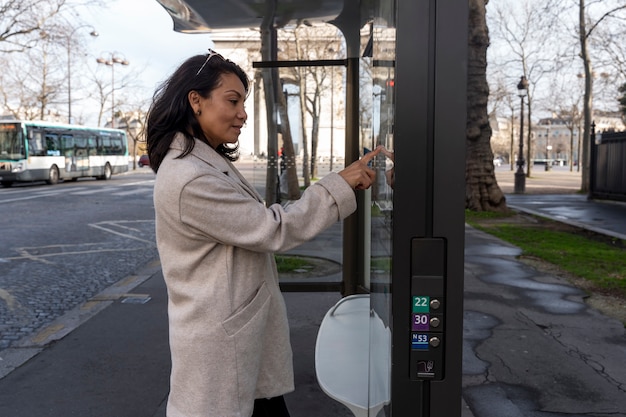
In our increasingly urbanized world, the significance of air quality in public transportation cannot be overstated. Buses, as pivotal components of public transit systems, not only contribute to urban mobility but also play a crucial role in ensuring the health and well-being of passengers. This article explores the importance of air quality in buses, the impact of poor air quality on health, and effective strategies to achieve better air in the bus environment.
Understanding Air Quality
Air quality refers to the condition of the air within our environments, which can be affected by various pollutants such as particulate matter, carbon monoxide, nitrogen dioxide, and volatile organic compounds. In enclosed spaces like buses, where numerous passengers congregate, the potential for poor air quality increases. Understanding this dynamic is essential for transit authorities and operators looking to enhance passenger experiences.
The Health Implications of Poor Air Quality
Poor air quality can have serious health repercussions. Passengers exposed to contaminated air are at risk of respiratory issues, headaches, and fatigue. Long-term exposure can exacerbate chronic conditions like asthma and lead to cardiovascular diseases. Vulnerable populations, such as children, the elderly, and individuals with preexisting health issues, are particularly susceptible to the adverse effects of air pollution.
Therefore, ensuring good air quality within buses is paramount for safeguarding public health. Implementing bus air quality tips can help mitigate these risks and foster a healthier travel experience.
Why Air Quality Matters in Buses
- Enhancing Passenger Comfort: A clean and fresh environment significantly enhances passenger comfort. When passengers breathe cleaner air, they are likely to feel more relaxed and satisfied with their journey. This can lead to increased ridership and more positive perceptions of public transportation.
- Promoting Public Health: Buses are often crowded, and the close proximity of passengers can facilitate the spread of airborne diseases. Maintaining good air quality reduces the transmission of viruses and bacteria, helping to protect public health.
- Environmental Responsibility: Buses that utilize cleaner technologies contribute to reduced emissions and lower the overall environmental footprint. By focusing on air quality, transit systems align themselves with broader sustainability goals, promoting eco-friendly practices that benefit the planet.
Tips for Improving Bus Air Quality
Enhancing air quality within the bus environment requires a multifaceted approach. Here are several effective strategies to improve bus air quality:
1. Regular Maintenance of HVAC Systems
Heating, ventilation, and air conditioning (HVAC) systems are critical for regulating air quality inside buses. Regular maintenance, including filter changes and system cleaning, ensures that these systems operate efficiently. Clean filters can trap pollutants and particulate matter, leading to cleaner air for passengers.
2. Incorporate Air Purification Technology
Investing in air purification technology can significantly enhance the quality of air in buses. HEPA filters, UV-C light systems, and ionizers can effectively eliminate airborne pathogens and pollutants. By integrating these technologies, transit authorities can create a healthier environment for commuters.
3. Optimize Ventilation
Proper ventilation is essential for maintaining good air quality. Buses should be designed to allow for adequate airflow, which can help dilute indoor pollutants. Opening windows during favorable weather can also enhance ventilation and promote the circulation of fresh air.
4. Encourage Green Practices
Promoting environmentally friendly practices among passengers can contribute to better air quality. Encouraging the use of reusable bags and containers, reducing food consumption on buses, and fostering a culture of cleanliness can all help minimize the introduction of pollutants into the bus environment.
5. Monitor Air Quality
Implementing air quality monitoring systems can provide valuable insights into the levels of pollutants inside buses. By collecting real-time data, transit authorities can identify problem areas and take corrective actions promptly. This proactive approach ensures continuous improvement in air quality.
6. Educate Passengers
Passenger awareness is crucial for enhancing air quality. Providing information about the importance of keeping the bus environment clean and the impact of personal actions on air quality can empower individuals to contribute positively. Simple messages, such as reminding passengers to avoid bringing strong odors or chemicals onboard, can make a difference.
Conclusion
The importance of air quality in buses extends beyond mere comfort; it is a critical aspect of public health and environmental responsibility. By implementing effective strategies to improve bus air quality, transit authorities can create a safer, more pleasant environment for passengers. From regular maintenance of HVAC systems to the integration of air purification technologies, every action contributes to the overarching goal of achieving better air in the bus environment.
In a world where public transport plays a vital role in urban living, prioritizing air quality is not just an operational decision; it is an essential commitment to enhancing the quality of life for all who depend on these vital services. By focusing on the air we breathe, we can create healthier, more sustainable urban spaces for everyone.


More Stories
Navigating the Storm: How Market Conditions Shape Your Next Big Move
Navigating the Business Climate: How to Thrive Amidst Uncertainty
Navigating the Storm: How Smart Investors Are Thriving in Today’s Market Conditions