
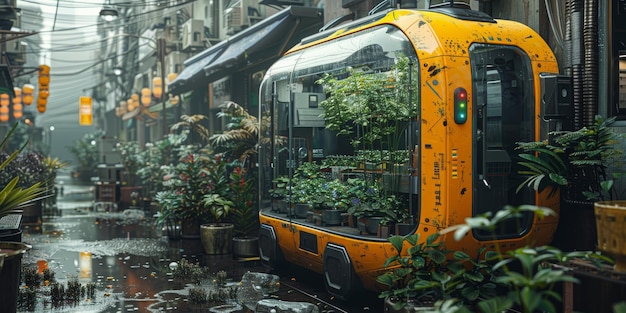
As urban populations swell and environmental concerns escalate, the demand for eco-conscious bus options has never been more critical. Public transportation, especially buses, plays a pivotal role in shaping sustainable urban landscapes. The future of eco-friendly buses is poised for innovation, driven by technology, sustainability, and a commitment to reducing our carbon footprint. Let’s explore the exciting developments and trends in green bus transportation that are paving the way for a cleaner, more sustainable future.
The Shift Towards Sustainability
The increasing awareness of climate change and environmental degradation has propelled the need for sustainable solutions in every sector, and transportation is no exception. Buses are particularly important in this context, as they can significantly reduce the number of cars on the road, leading to lower emissions and improved air quality. With advancements in technology and growing public demand for cleaner alternatives, the industry is witnessing a transformative shift towards sustainable bus travel.
Cities worldwide are implementing policies that prioritize public transportation and encourage the adoption of eco-friendly options. From electric and hybrid buses to innovations in biofuels and hydrogen-powered vehicles, the landscape of bus transportation is evolving rapidly. The integration of renewable energy sources, such as solar power, is also becoming increasingly prevalent in fueling these vehicles.
Electric Buses: A Game Changer
At the forefront of the future of eco-friendly buses are electric vehicles (EVs). These buses operate on electric power, eliminating tailpipe emissions entirely. As battery technology advances, the range and efficiency of electric buses continue to improve, making them a viable option for public transportation systems.
Cities like Los Angeles and London have already made significant investments in their electric bus fleets, demonstrating that large-scale implementation is not only possible but also practical. With silent operation, reduced maintenance costs, and lower energy expenses, electric buses present a compelling case for transit authorities looking to modernize their fleets.
Furthermore, the integration of smart technologies can enhance the efficiency of electric buses. Features like route optimization and real-time tracking can improve service reliability while minimizing energy consumption. As these technologies evolve, they will play a crucial role in shaping the future of public transportation.
Hybrid Buses: Bridging the Gap
While electric buses are gaining momentum, hybrid buses offer a practical alternative in the transition toward fully electric fleets. Combining traditional diesel engines with electric propulsion, hybrid buses significantly reduce emissions while maintaining the operational range that many cities require.
Hybrid technology allows for improved fuel efficiency, which can lead to substantial cost savings for transit agencies. By using regenerative braking systems that recharge the battery during stops, these buses maximize energy efficiency and minimize environmental impact. As cities gradually transition to greener options, hybrid buses will likely play a pivotal role in bridging the gap toward a fully electric future.
Innovative Fuels: Exploring Biofuels and Hydrogen
In addition to electric and hybrid technologies, the exploration of alternative fuels is essential for the future of eco-friendly buses. Biofuels, derived from organic materials, provide a renewable energy source that can be seamlessly integrated into existing diesel engines. This not only reduces greenhouse gas emissions but also supports local agriculture by creating a market for crops that can be converted into fuel.
Hydrogen fuel cells are another promising avenue for green bus transportation. Buses powered by hydrogen emit only water vapor, making them an exceptionally clean option. While hydrogen infrastructure is still developing, advances in technology and increased investments in production and distribution can pave the way for widespread adoption.
Design and Sustainability in Bus Manufacturing
The journey towards sustainable bus travel extends beyond the vehicles themselves. Manufacturers are increasingly focusing on environmentally friendly practices in their production processes. This includes using recycled materials, implementing energy-efficient manufacturing techniques, and minimizing waste throughout the supply chain.
Additionally, modern bus designs prioritize aerodynamics and lightweight materials, which can further enhance fuel efficiency. The use of composite materials not only reduces the weight of buses but also increases their durability, leading to longer lifespans and reduced environmental impact.
Enhancing Public Awareness and Engagement
To ensure the success of eco-conscious bus options, public engagement is essential. Educating communities about the benefits of using public transportation can lead to increased ridership, reducing the overall carbon footprint of urban travel. Initiatives that promote the environmental advantages of buses, coupled with incentives for using public transit, can encourage more people to leave their cars at home.
Cities can also enhance the rider experience through improvements in bus amenities, such as comfortable seating, free Wi-Fi, and real-time information systems. By making public transportation more attractive, cities can boost ridership and promote a shift toward sustainable travel practices.
The Road Ahead
As cities continue to grapple with the challenges of urbanization and climate change, the future of eco-friendly buses is bright. The commitment to sustainable bus travel will not only transform public transportation but also contribute to healthier communities and a cleaner planet.
With advancements in technology, innovative fuels, and sustainable practices, the vision of a greener, more efficient bus system is within reach. Embracing these changes can help ensure that future generations enjoy cleaner air and a more sustainable world, all while enjoying the benefits of effective public transportation. The journey toward a cleaner future starts today, and eco-friendly buses are leading the way.


More Stories
The Psychology of Smart Investing: How to Outthink the Market
Unlocking Wealth: Creative Investment Strategies for Every Risk Profile
Navigating the Budget Bus: Smart Finance Moves for Every Commuter