
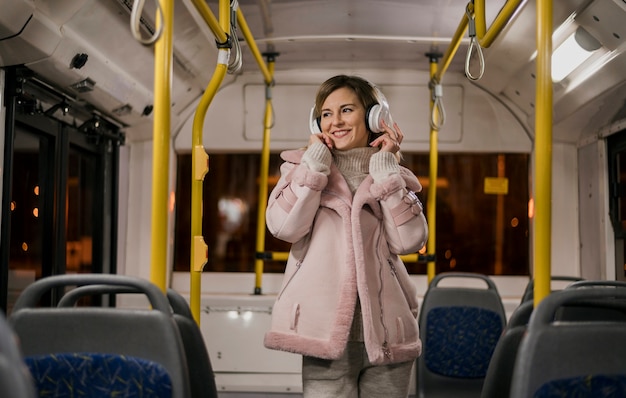
Creating an accessible bus environment is crucial for fostering inclusive urban mobility. In a world that increasingly prioritizes equity, cities must ensure that public transportation is not just available but also usable for everyone, including individuals with disabilities, seniors, and parents with strollers. With the right strategies and innovations, cities can implement bus solutions for all cities, making transportation more accessible and efficient.
Understanding Accessibility in Public Transportation
Accessibility in public transport encompasses a broad range of considerations. It involves not only physical access but also factors like service frequency, route availability, and affordability. An effective public transit system should accommodate diverse populations, ensuring that no one is left behind.
When we talk about improving bus access, it’s vital to analyze the current infrastructure. This includes examining bus stops, vehicle design, and overall service operations. A well-thought-out approach can yield significant benefits for all community members, enhancing their ability to navigate the urban landscape.
1. Designing Inclusive Bus Stops
The first step toward creating an accessible bus environment is ensuring that bus stops are designed with inclusivity in mind. This can involve several key features:
- High-Contrast Signage: Clear, easily readable signs can help individuals with visual impairments navigate bus stops effortlessly. Using high-contrast colors and large fonts can greatly enhance visibility.
- Benches and Shelters: Comfortable seating and protective shelters from inclement weather are essential. These amenities can provide respite for elderly passengers or those waiting with young children.
- Accessible Pathways: Sidewalks leading to bus stops should be well-maintained, level, and free of obstacles. Installing tactile paving can guide visually impaired individuals safely to the bus stop.
2. Investing in Accessible Bus Vehicles
The type of vehicles used for public transportation plays a pivotal role in ensuring accessibility. Cities should invest in modern buses equipped with the following features:
- Low-Floor Buses: These buses eliminate the need for steps, making it easier for individuals with mobility challenges to board and disembark. Many low-floor buses also have ramps, allowing wheelchair users to access the vehicle independently.
- Securement Systems: Buses should come equipped with securement areas and devices for passengers who use wheelchairs or other mobility aids. This ensures a safe and stable ride for all passengers.
- Visual and Auditory Announcements: To assist passengers with hearing and vision impairments, buses should include automated announcements that inform riders of upcoming stops. This feature is essential for enhancing the overall experience of public transit.
3. Route Planning and Service Frequency
Accessibility goes beyond the physical aspects of buses and bus stops; it also includes strategic planning and service frequency. To maximize the effectiveness of public transport systems, cities should focus on:
- Comprehensive Route Coverage: Transit authorities should assess the existing routes to ensure they connect to key locations such as hospitals, schools, and employment centers. This guarantees that everyone has access to essential services.
- Increased Frequency: Regular and timely bus services reduce waiting times, making it easier for people to rely on public transport. Frequent buses create a sense of reliability, which is particularly beneficial for those with mobility challenges.
- Feedback Mechanisms: Engaging with the community can provide valuable insights into the effectiveness of current routes. Gathering feedback from passengers, especially those with disabilities, can inform necessary adjustments to improve service.
4. Technology and Innovation
Embracing technology can significantly enhance the accessible bus environment. Cities should consider:
- Real-Time Tracking Apps: Mobile applications that provide real-time updates on bus arrivals can empower passengers, allowing them to plan their journeys more effectively. Users can see which buses are accessible and when they will arrive.
- Contactless Payment Systems: Implementing user-friendly payment options, such as mobile payments and contactless cards, can make the boarding process quicker and more convenient, especially for those with physical disabilities.
- Online Accessibility Resources: Providing comprehensive information about bus services, including accessibility features, routes, and schedules, on official websites can help passengers plan their journeys with confidence.
5. Collaboration with Community Organizations
Partnering with local disability organizations and advocacy groups can yield invaluable insights into how to improve bus access. These collaborations can help transit authorities better understand the specific needs of individuals with disabilities. By involving community members in decision-making processes, cities can ensure that their strategies are not only effective but also genuinely responsive to those they aim to serve.
Conclusion
Creating an accessible bus environment is not just about compliance with regulations; it’s about enriching lives and fostering inclusivity. Cities that prioritize accessibility will ultimately benefit from a more engaged and satisfied citizenry. Implementing bus solutions for all cities requires a multifaceted approach that encompasses infrastructure, technology, and community collaboration. By embracing these principles, cities can create a public transit system that truly serves everyone, making urban mobility a right for all, not a privilege for the few. Together, we can pave the way for a more inclusive future in public transportation.


More Stories
Navigating the Storm: How Market Conditions Shape Your Next Big Move
Navigating the Business Climate: How to Thrive Amidst Uncertainty
Navigating the Storm: How Smart Investors Are Thriving in Today’s Market Conditions